
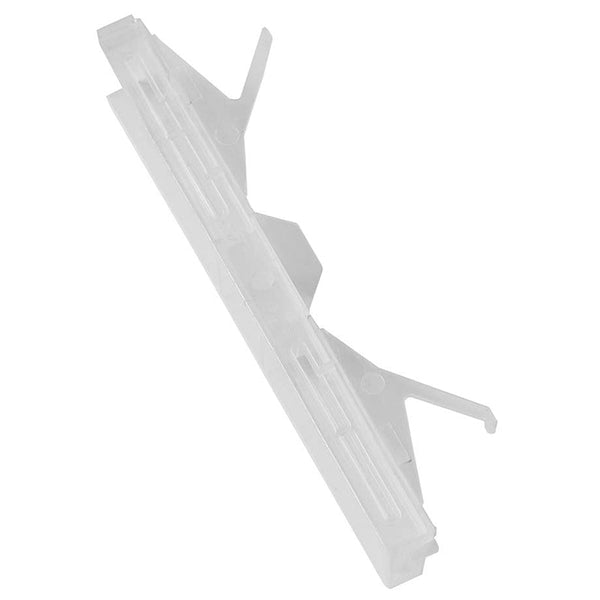
Beetle catcher traps
Reusable, transparent traps that sit between frames. Bees chase beetles in; beetles cannot climb out. Clear plastic means you can see at a glance which traps are full.
Suggested: 2 per hive
View product details
OZBEE Trade
Beetle traps, feeders, varroa monitoring and treatment, queen excluders, frames and honey handling gear for working apiaries — quoted for your hive count, supplied through Gladstone and delivered across Queensland.
How many hives do you run?
No price lists built for hobbyists. Tell us your hive count and what you need, and we price the whole order for the quantity you actually buy.
Pest control, feeding, hive parts, frames and harvest gear on a single quote — instead of four suppliers and four freight bills.
Supplied at our Gladstone store in Central Queensland, without an extra southern warehouse leg.
Your quote is prepared by someone who knows beekeeping equipment and will tell you what fits the boxes you already run.
Trade quotes
Your hive count, 8 or 10 frame, where you are in Queensland and when you need the equipment.
Tick the products below and add rough quantities. Not sure how many? We suggest quantities using your hive count and you can change them.
You get pricing for the whole order, with delivery or pickup options. No obligation, and no account needed to ask.
Pest control
Small hive beetle is one of the most persistent problems Queensland beekeepers deal with, and warm, humid weather suits it. Adult beetles hide in corners and gaps where bees cannot reach them and lay eggs in the comb. In a strong colony the bees keep numbers down. In a weak or queenless colony, or in supers left sitting in a shed, larvae can ferment honey and slime out comb within days.
Across a whole apiary, traps are the simplest way to keep beetle pressure down between inspections. They do not replace strong colonies, but they take beetles out of the hive before numbers build.
Reusable, transparent traps that sit between frames. Bees chase beetles in; beetles cannot climb out. Clear plastic means you can see at a glance which traps are full.
Suggested: 2 per hive
View product detailsVarroa
Varroa mite is now part of beekeeping in Australia, with the mite established in parts of the country. For a commercial operation the question is not whether to deal with it, but how to monitor and treat hundreds of hives without losing weeks of labour. Varroa is manageable when mite levels are checked regularly and treatments are planned ahead rather than bought in a hurry.
Check the current varroa situation and any rules for your area with Biosecurity Queensland.
You cannot manage what you do not measure. A mesh bottom board with a removable surveillance board lets you check natural mite drop without opening the hive, so monitoring a whole yard takes minutes rather than a full inspection of every colony. Many beekeepers combine board checks with a periodic sugar shake or alcohol wash on a sample of hives for a closer count.
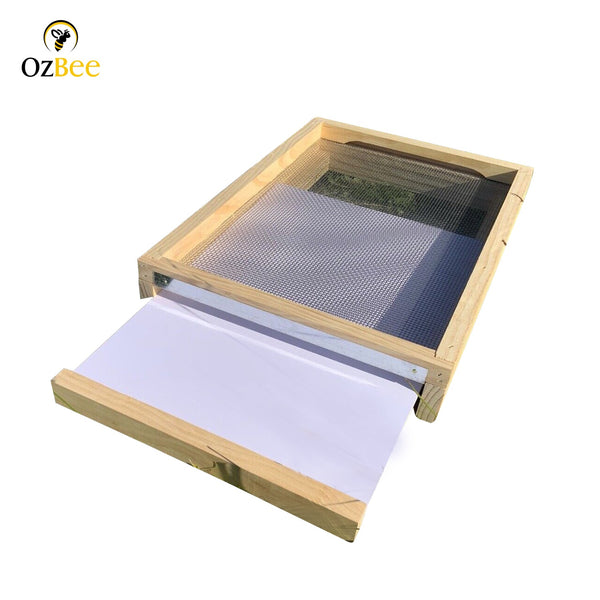
Mesh floor with a removable surveillance board. Check mite drop across a whole yard without opening hives. 8 and 10 frame.
Suggested: 1 per hive
View product detailsWhen monitoring shows mite levels are rising, treat. We supply varroa treatments that are APVMA registered or permitted, with different active ingredients, so you can plan treatments across the season.
Always follow the product label and any APVMA permit conditions — including dose, treatment period, temperature limits and whether honey supers can stay on during treatment. Beekeepers commonly rotate treatments with different active ingredients to reduce the risk of mites developing resistance.
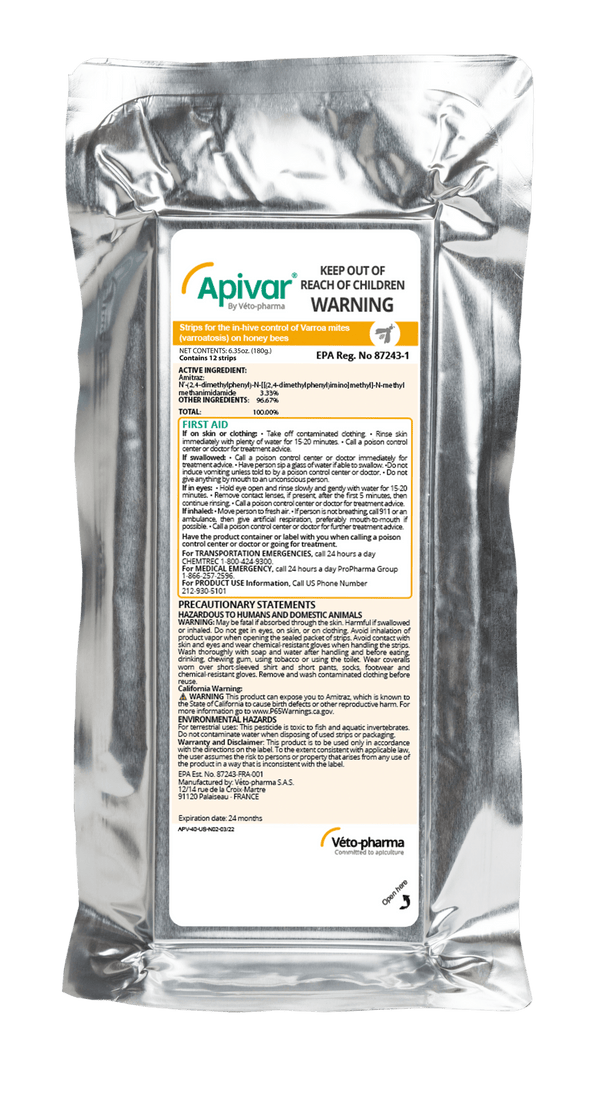
Apivar, Bayvarol and Formic Pro. Tell us how many hives you plan to treat and which treatment you use, and we will quote the right pack sizes.
Suggested: Hives to treat
Feeding
At commercial scale, feeding is a logistics job. Colonies need support through a dearth, when building up for pollination work and after splits — and every hive in a yard needs feeding at the same visit. The right feeder is quick to fill, easy to check without lifting boxes, and practical to leave on every hive.
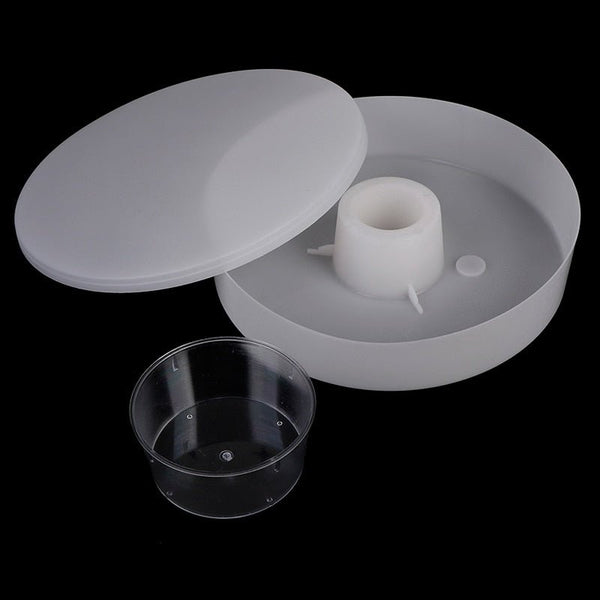
Sits above the brood box under the lid, so you refill without pulling frames. A 2 litre bowl supports feeding between visits, and the round design rinses out easily.
Suggested: 1 per hive
View product detailsHive equipment
Every hive in an operation needs the same core parts. Running the same components across the whole apiary means any box or excluder fits any hive — which is what makes a large operation workable in the field. Standardise first, then order in quantity.
A galvanised metal excluder sits between the brood box and the honey supers. Workers pass through; the larger queen cannot, so supers stay free of brood and extraction is cleaner. Metal excluders hold their shape in Queensland heat and can be scraped clean of wax and propolis season after season.
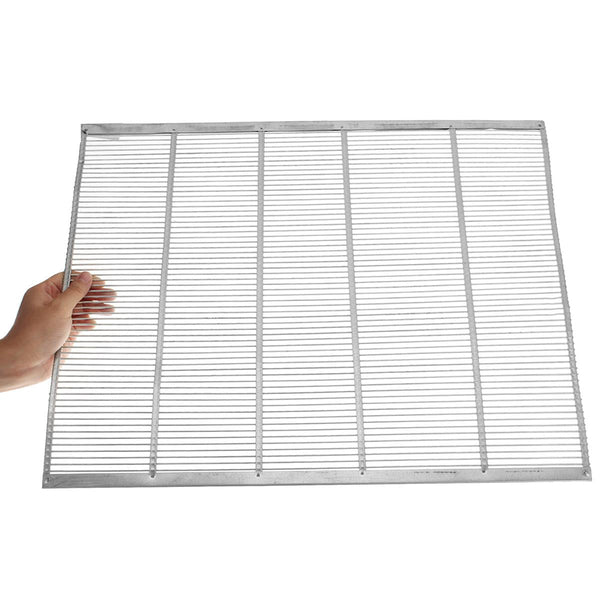
Galvanised metal excluders separate the brood box and honey supers. Match the frame format to your existing equipment.
Suggested: 1 per hive
View product detailsWhen you are adding hives rather than replacing parts, a complete kit keeps everything matched. These flat pack NZ pine kits build into a double-storey 10 frame hive, with a choice of mesh or plain bottom board, with or without frames.
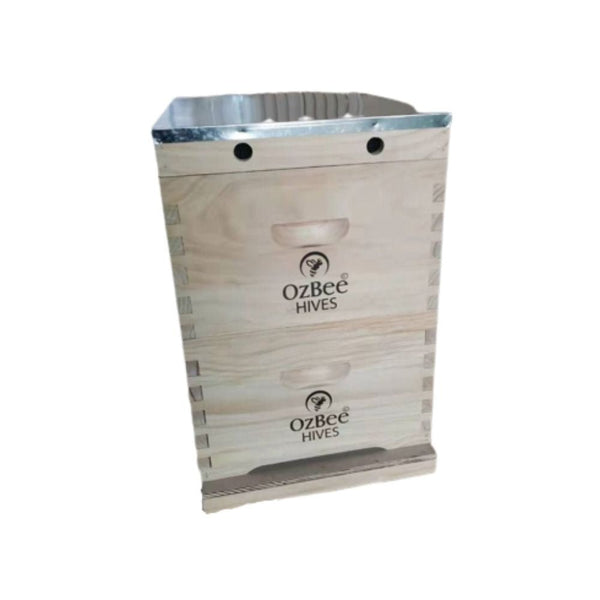
Matched NZ pine components for new double-storey hives. Tell us your bottom board and frame requirements.
Suggested: New hives planned
View product detailsRecurring equipment
Frames are the most repeated purchase in a working apiary. They break in the field, get damaged by beetles, and old dark comb needs culling every few years to keep brood healthy.
A 10 frame box holds ten frames; an 8 frame box holds eight. A double-storey 10 frame hive — brood box plus one super — needs 20 frames, and each extra super adds ten. For 100 double-storey hives that is 2,000 frames before spares.
| Frame type | What you still do | Best for |
|---|---|---|
| Flat pack with eyelets | Assemble, and wire for wax foundation | Building stock over winter with your own labour |
| Assembled and wired | Fit wax foundation | Wax foundation users short on time |
| Assembled with plastic foundation | Nothing — straight into the box | Plastic foundation users, mid-season top-ups |
Using plastic foundation? Once you count assembly time, frames with foundation already fitted are usually the most practical choice for a commercial operation. Tell us which type you run and we will quote both ways.
Full depth frames suit brood boxes and are what most Australian beekeepers run. Ideal frames are shallower and often used in honey supers, because a full ideal super is lighter to lift — worth thinking about when a crew is lifting supers all day. The two are not interchangeable: match the frame to the box.
Flat pack, assembled and wired, plastic foundation fitted, or foundation sheets. Match full depth or ideal to the boxes you run.
Suggested: 20 per double-storey 10 frame hive
View product detailsHarvest workflow
At commercial volume, honey handling gear wears out, gets dropped and needs duplicating across extractors, settling tanks and buckets. A leaking gate or a split filter in the middle of extraction costs honey and time. These are the parts working apiaries replace most, and the ones worth keeping spares of.
A stainless gate fits an extractor or settling tank for controlled, clean flow when filling buckets. Stainless steel does not corrode and is easy to keep food safe. With several tanks running through harvest, a spare gate on the shelf means a worn seal never stops the day.
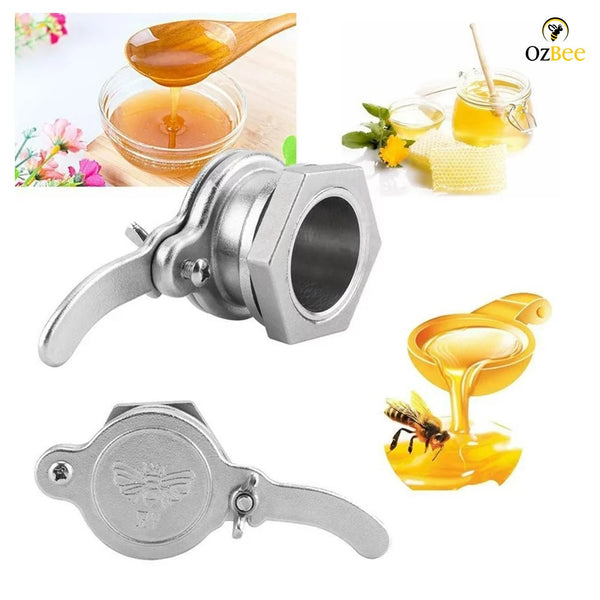
Controlled flow for extractors and settling tanks, with spare gates ready for harvest.
Suggested: Tanks and extractors, plus spares
View product detailsPlastic bucket valves turn a standard honey bucket into a dispensing container — useful for bottling, decanting and selling in smaller containers. They get lost and damaged regularly, so most operations order them in quantity.
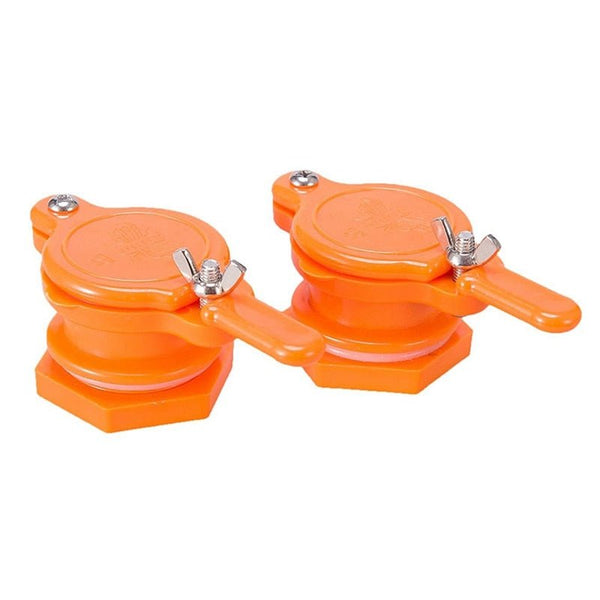
Bucket valves for decanting and bottling. Include replacements for worn fittings and your planned containers.
Suggested: Your container count
View product detailsMost honey is filtered twice. A coarse strainer takes out wax and bee parts first, then a finer filter clears the honey before bottling. Filtering in stages is faster than forcing honey through one fine mesh, which clogs.
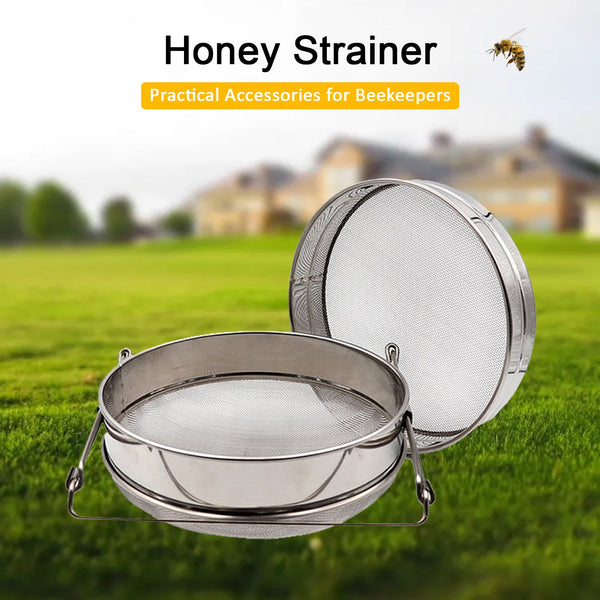
Coarse and fine filtering for your extraction workflow. Include a spare set for cleaning rotations.
Suggested: Your extraction lines
View product details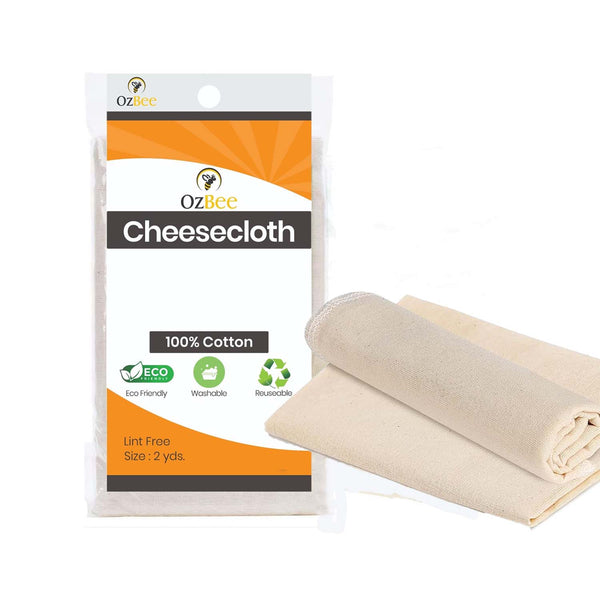
Reusable cloth for finer straining, washed and dried before the next harvest.
Suggested: Your filtering requirements
View product detailsSeasonal teams
You may not wear a suit any more. Your seasonal staff will.
Casual workers and new crew members have not built the tolerance an experienced beekeeper has. A badly stung new starter on day two is often a lost worker by day three. Keeping jackets, veils and gloves in a range of sizes means every new person is equipped before their first hive.
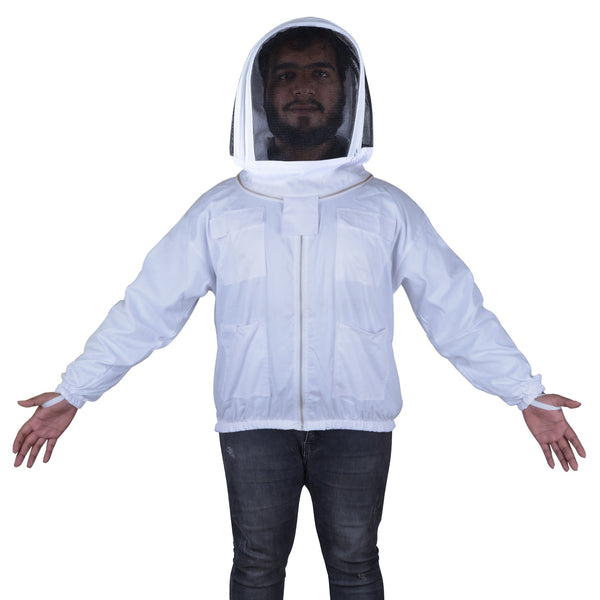
Jackets, veils and gloves for seasonal teams. Include crew numbers and sizes so each worker has suitable equipment.
Suggested: Your crew size
Central Queensland supply
Everything on this page is supplied through our Gladstone store. Orders can be collected at Shop 2, 4 Crow Street, Gladstone, or delivered anywhere in Queensland. Your quote shows the delivery option for your town, so you see the full picture before you commit.
Putting pest control, feeding, hive parts and harvest gear on one quote keeps it to one delivery.
We supply beekeepers in Gladstone, Rockhampton, Bundaberg, Mackay, Emerald, Brisbane, the Sunshine Coast and across Queensland.
Buying for resale, a club or a training program rather than your own hives? See wholesale supply.
OZBEE Trade quote
The more you tell us, the more accurate your first quote. It takes about two minutes, and there is no obligation.
Yes. We supply commercial and sideliner beekeepers across Queensland with beetle traps, feeders, queen excluders, bottom boards, hive kits, frames, harvest equipment and crew protective gear through our store in Gladstone.
Fill in the quote form on this page with your hive count, what you need and your delivery town, or call +61 401 763 114. We will send pricing for your whole order.
Commercial orders vary too much for one price list to be useful. We quote each order on the quantities you need and where it is going, so the price you see is the one you pay for that order.
Your hive count, 8 or 10 frame, the products and rough quantities, your delivery town or whether you will pick up, and when you need the equipment.
The quote form accepts an optional ABN and business name. Include those details if you have them, and tell us about your operation.
Two per hive is a common starting point in humid parts of Queensland, placed toward the outer frames. Clear them at every inspection — a full trap stops catching.
A 10 frame box holds ten frames and an 8 frame box holds eight. A double-storey 10 frame hive needs 20 frames, and each additional super adds ten.
Flat pack suits operations with time to assemble over winter. If you run plastic foundation, frames with foundation already fitted go straight into the box and reduce assembly time. We can quote both.
The removable board under the mesh lets you check mite drop without opening the hive, which makes regular monitoring practical across a large number of hives.
Use bottom boards with a removable surveillance board to check mite drop without opening hives, and combine this with periodic sugar shake or alcohol wash checks on a sample of hives. Record counts by yard so you know which sites need treatment first.
We supply Apivar strips, Bayvarol strips and Formic Pro. Always follow the product label, and check Biosecurity Queensland for current varroa guidance in your area. Tell us how many hives you plan to treat and we will quote the right pack sizes.
Check the Queensland Government website for current beekeeper registration requirements before establishing or expanding your apiary.
Yes. We deliver across Queensland through Gladstone. Your quote includes the delivery option for your town.
Yes. Orders can be collected at our store at Shop 2, 4 Crow Street, Gladstone.
Plan your season
Tell us how many hives you run and when you need it. One Queensland supplier can quote beetle traps, feeders, hive parts, frames and harvest gear together.